[Definitive Guide & Latest Information] An in-depth guide to how to access major train stations in Tokyo from Narita Airport, and things to see around them! (JR Edition)
Narita Airport is one of Japan’s main international gateways, and we would like to introduce the main express trains departing Narita Airport Terminal 2 Station, bound for different destinations.
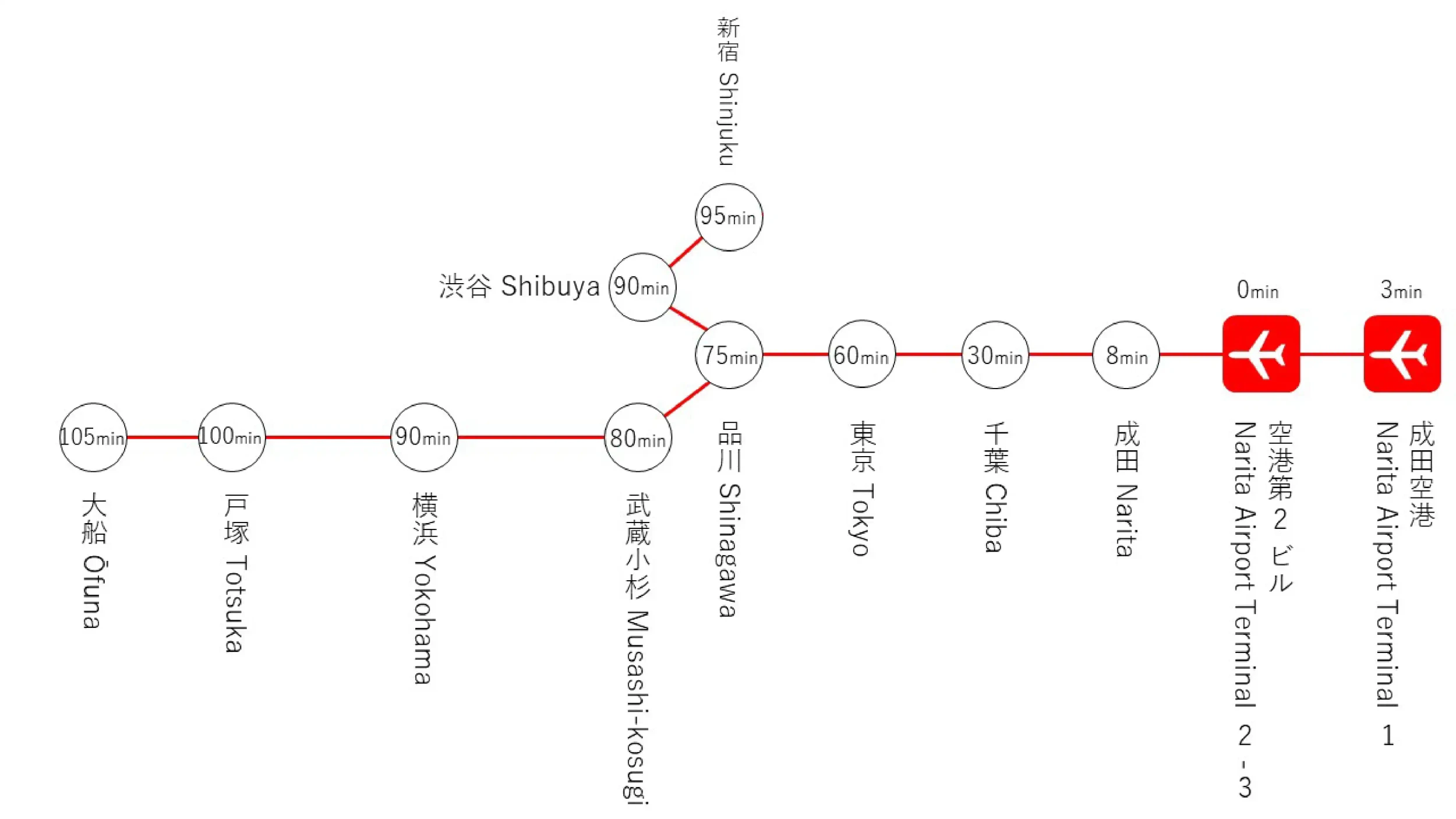
There are a total of three railways connecting Narita Airport and major urban hubs of the Tokyo metropolitan area: two Keisei Dentetsu lines (Keisei Honsen Line and Narita Sky Access Line) and one JR East line. In this article, we would like to talk about the travel time from the airport to major different stations when you take the JR Line, as well as things to see around the stations! This article also features the must-visit places around the stations that we introduced in past entries, so make sure to check them too! *The travel times from the airport to the stations are for reference only. The intermediate stops and travel times may vary depending on the timetables. *Only major stations are listed here.
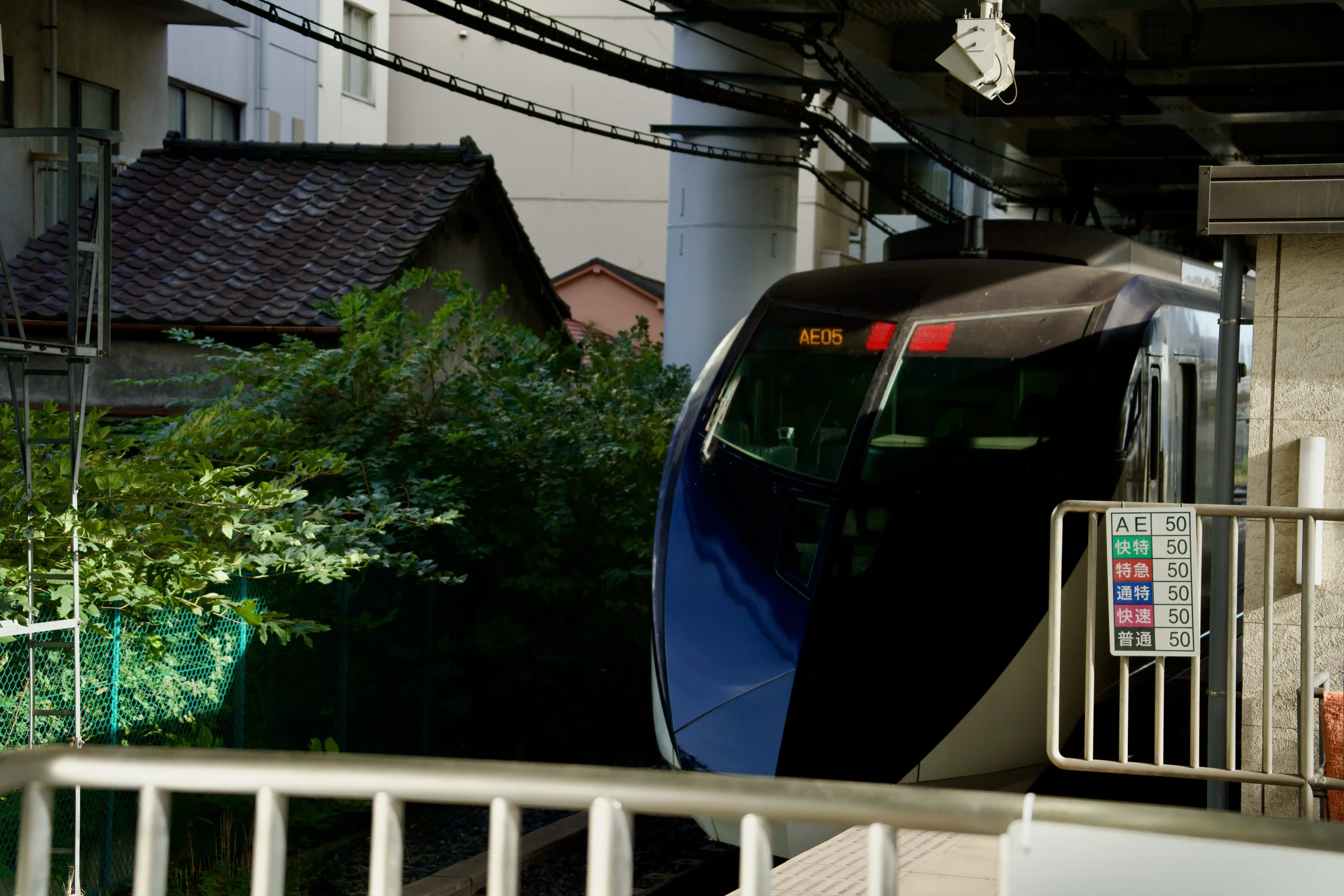
■Narita Express (JR East) Narita Express (also known as N’EX) are express trains from Narita Airport, bound for Tokyo Station, Shinjuku Station, and Yokohama region. All seats are reserved, and you can enjoy a relaxing journey in a comfortable seat.
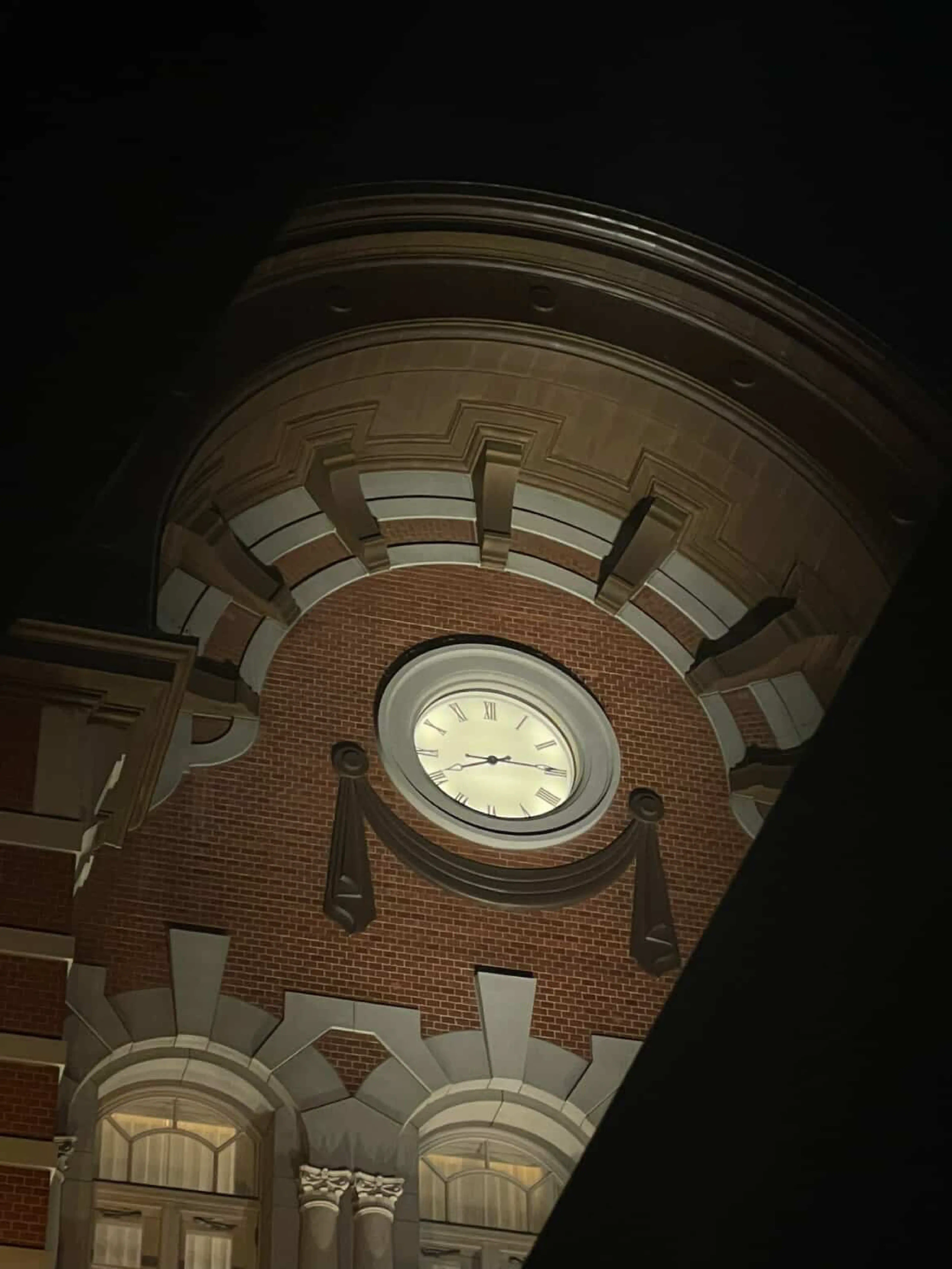
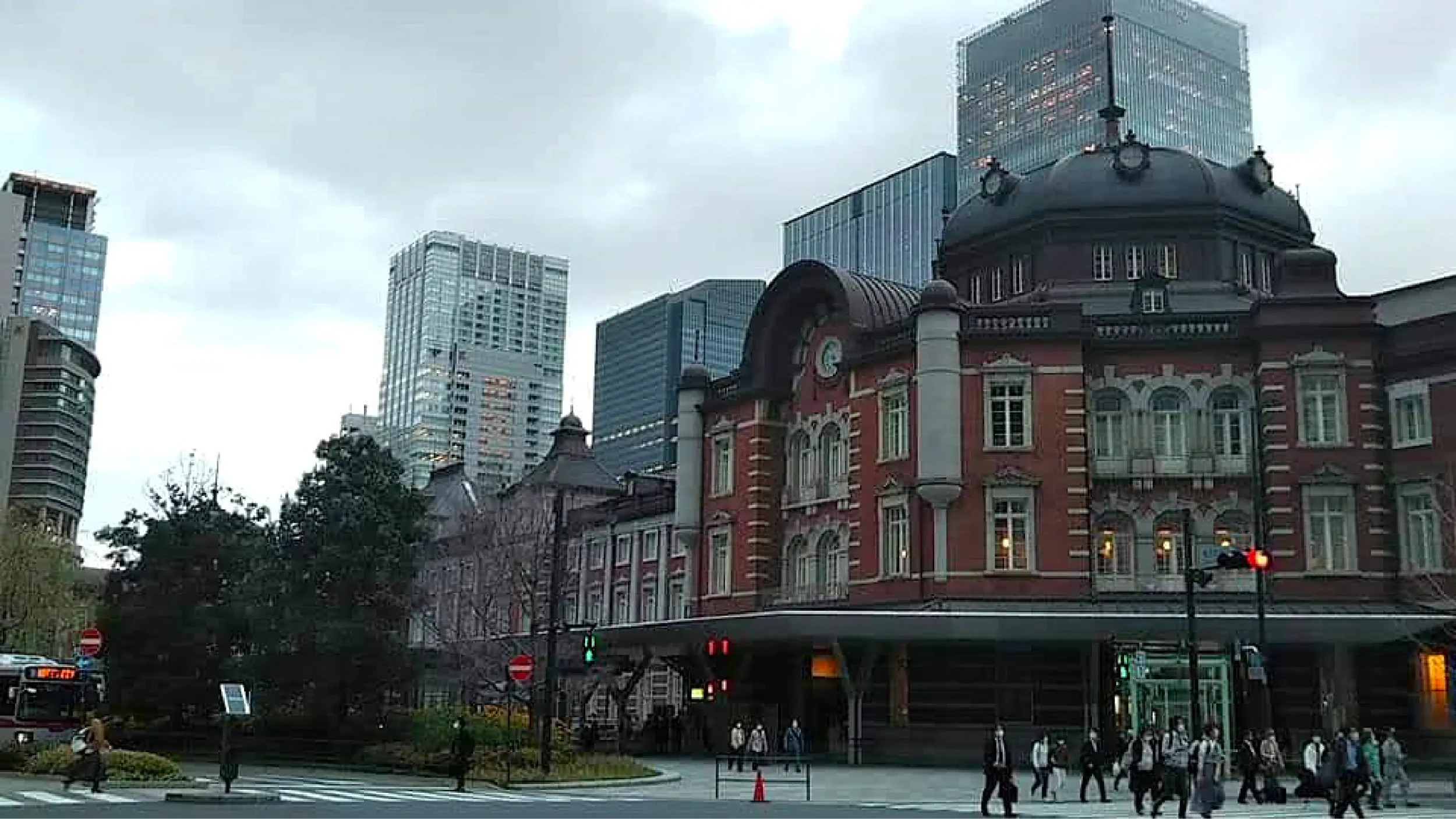
[Tokyo Station] Tokyo Station is one of the major transportation hubs in Japan, where people and things come and go. Its historic red brick building, which was built during the Meiji era, blends in with the surrounding most-advanced urban area.
●From a mecca for business people to a tourism hub The majestic red brick building that retains the charm of the Meiji and Taisho eras is surrounded by many high-rise offices and long-established hotels. This transportation hub is convenient not only for business purposes, but also for sightseeing. It is within walking distance of Ginza and Nihonbashi. In the surrounding area, you can also find many museums, modern Japanese style cafés, and gourmet hidden gems. This area is also used as a meeting point for express buses and sightseeing tours bound for Narita Airport, Haneda Airport, Mt. Fuji, Yamanashi, Hakone, and Izu.
●A vibrant gateway to Ginza It is also only a short walk away from Ginza, an internationally famous luxury shopping district. Enjoy a stroll while appreciating the contrast between the solemn atmosphere of the Tokyo Station area and the liveliness of Ginza.
[Shibuya Station] A district leading youth culture and trends in Japan Shibuya is renowned for its trendsetting, including the “gyaru” culture and street fashion, but it has also been growing rapidly as a hub for IT and startup companies in recent years.
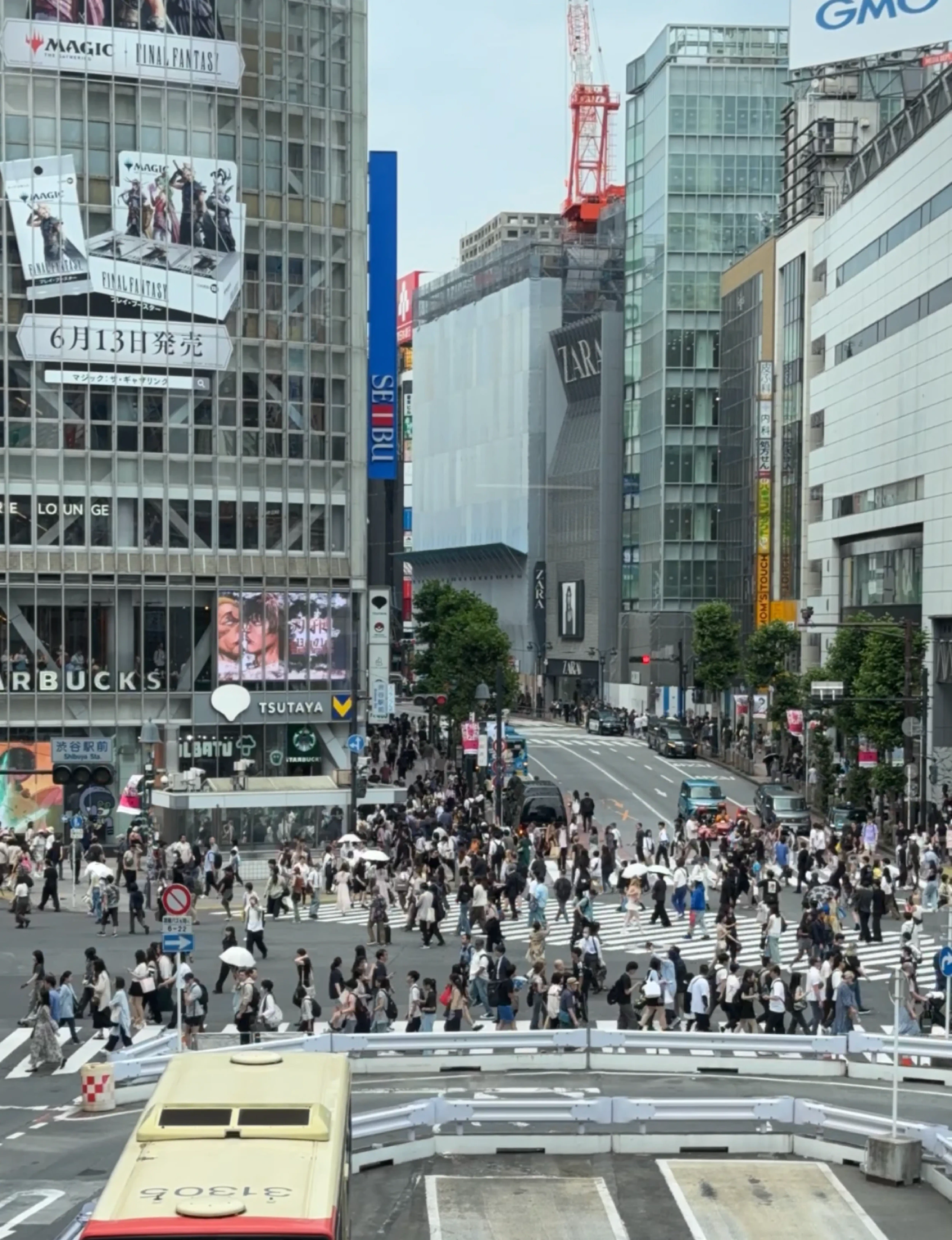
●A mecca of gyaru culture and young people’s fashion Fashion buildings, such as Shibuya109, house shops that offer a wide range of the latest trendy items. As the district where the gyaru culture originated in the 90s, it always attracts young people full of individuality. The Dogenzaka and Center-gai areas also serve as a hub for street culture such as music, art, and dance.
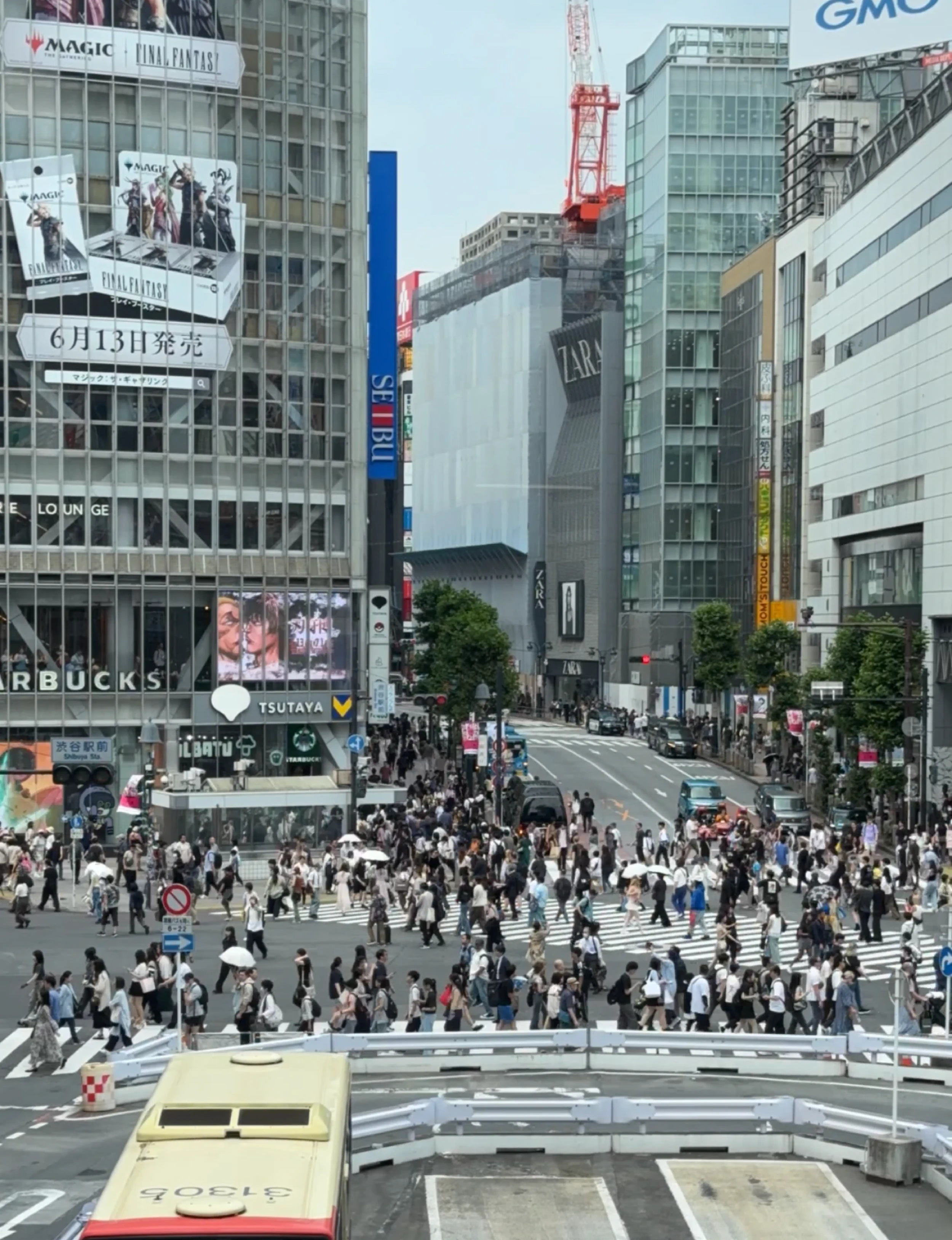
●Scramble Crossing Many foreigners as well as Japanese people come to this iconic crossing in Tokyo to see hundreds of people cross the intersection at once during a single green light. With massive screens surrounding the crossing, this area is bustling 24/7.
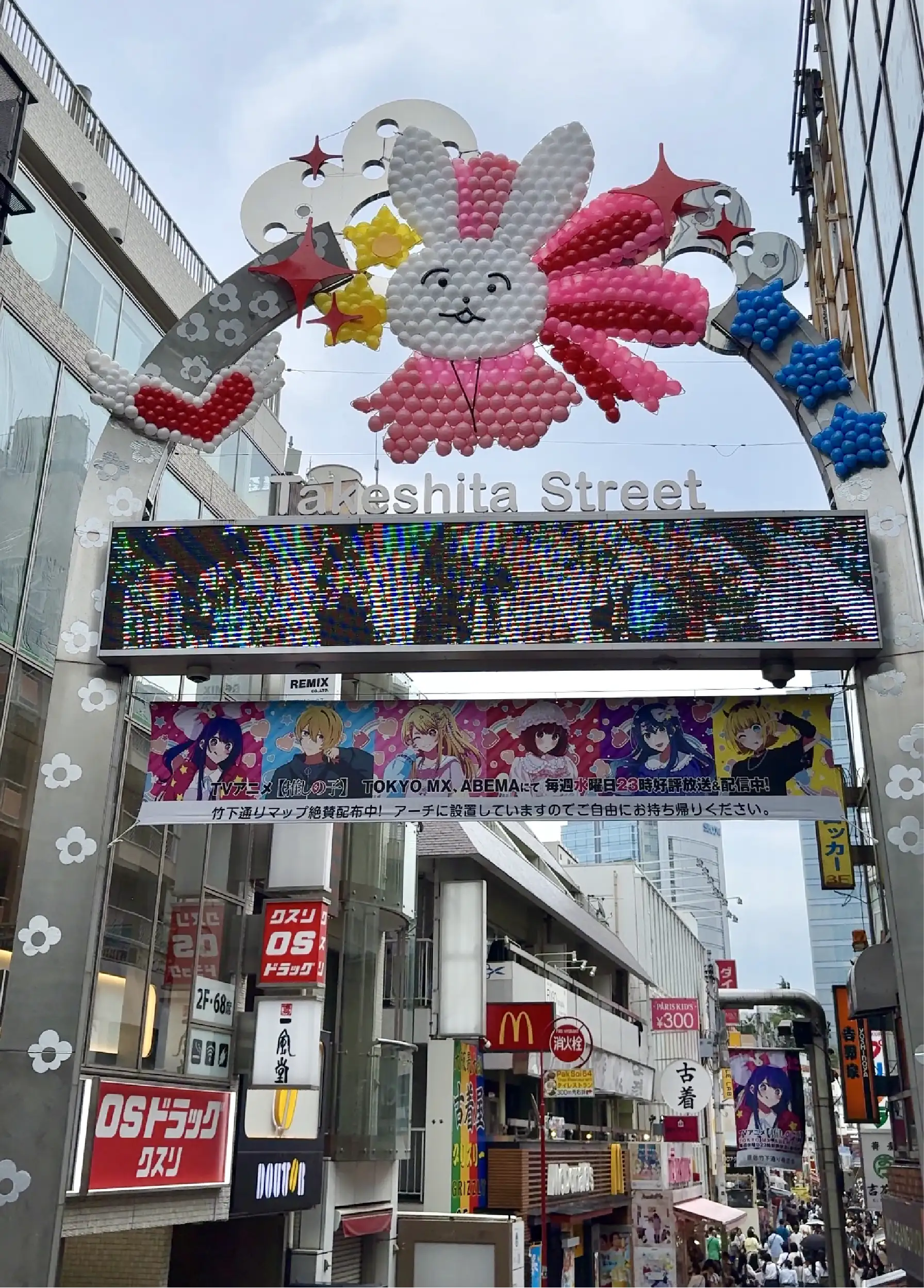
●Harajuku Harajuku Station is within walking distance from Shibuya Station. Centering around Takeshita Street where there are a variety of shops, such as fashion, sweets, and creative goods shops, Harajuku is a hotspot for Japan’s “kawaii” culture.
●Omotesando With luxury brand shops, designer clothing shops, and stylish cafés and restaurants along the relaxing zelkova-lined avenue, Omotesando is a sophisticated area perfect for a leisurely city stroll.
●Yoyogi Park The park is an urban oasis with lush nature and expansive grass areas despite its location in the center of Tokyo. It is also a great place for various events, music festivals, as well as picnics.
●Japan National Stadium It is an international stadium where Olympic games and other major sports events are held. Its surrounding area is also replete with galleries, as well as jogging courses.
<Related articles>

・Vinyl records are making a resurgence in popularity! Hands-on vinyl record café "RECOCO Shibuya"
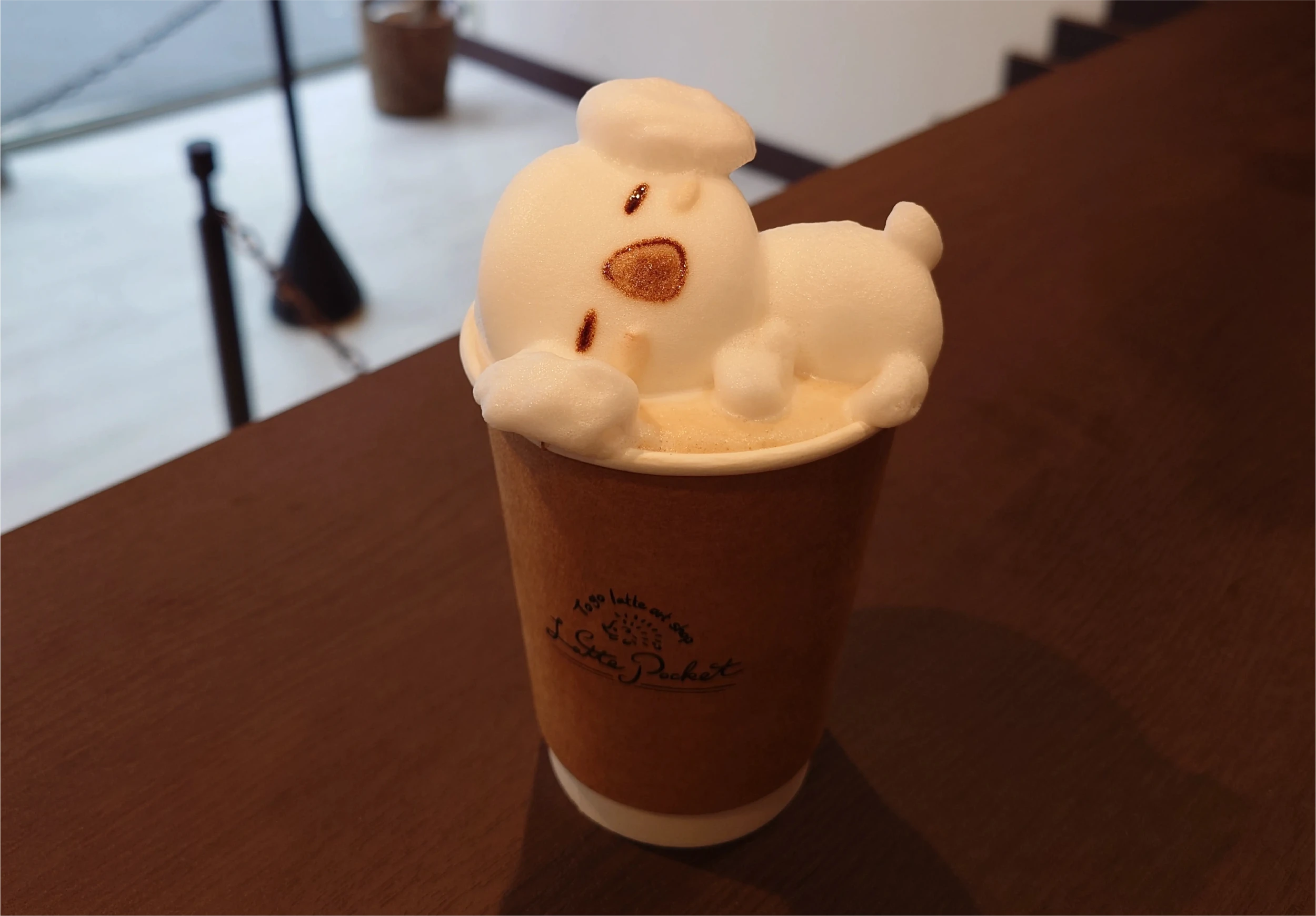

・A new stand-up Japanese gourmet restaurant where you can satisfy your appetite with soba and wines.
[Shinjuku Station] The most colorful and exciting night in Tokyo Known as a “city that never sleeps,” Shinjuku has so much to offer, such as one of the largest entertainment districts in Asia, a multicultural atmosphere with people from different countries, the latest entertainment, and hidden alleyways, guaranteeing a great time 24/7 for both locals and foreigners.
<Related articles>
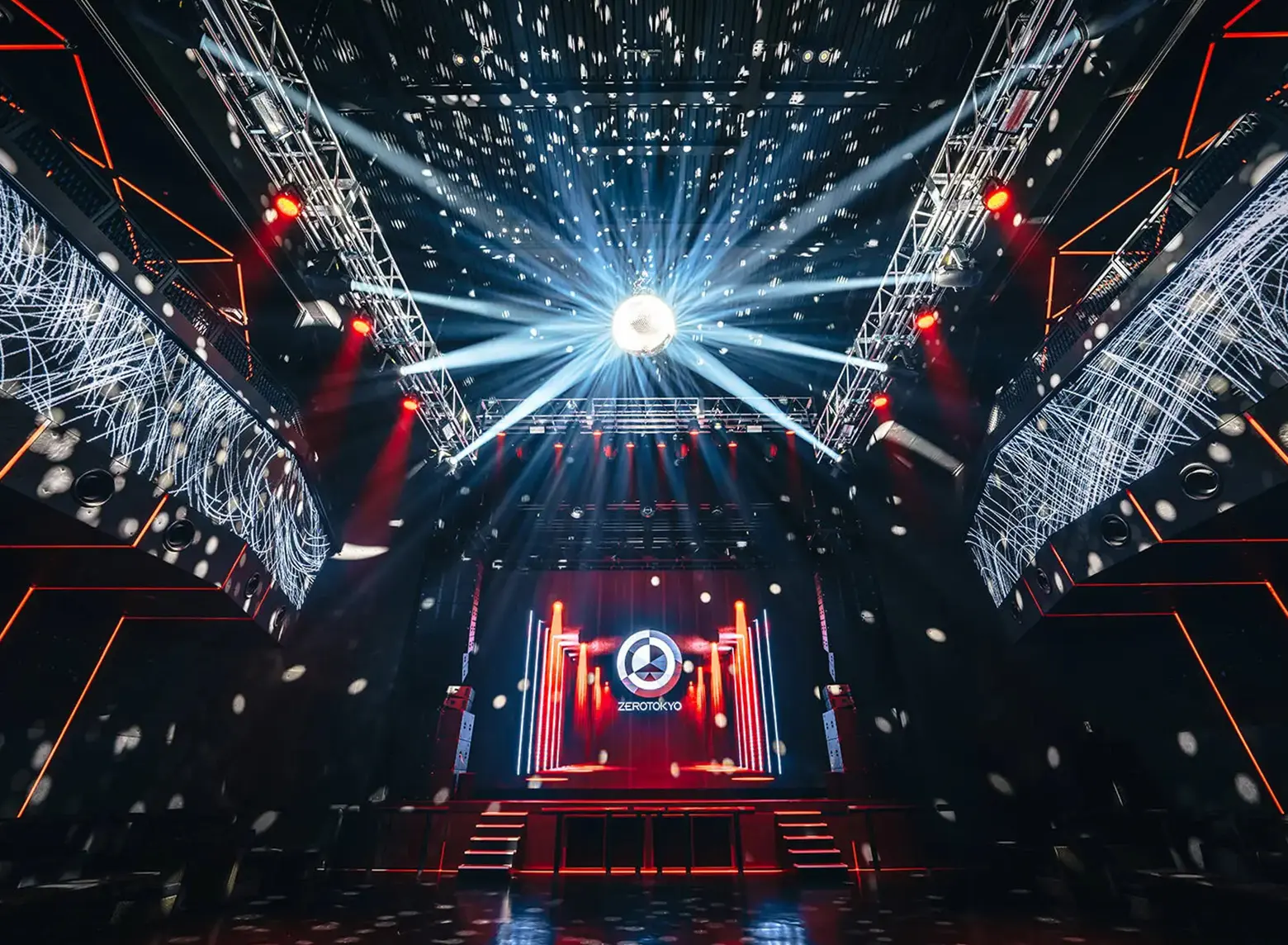
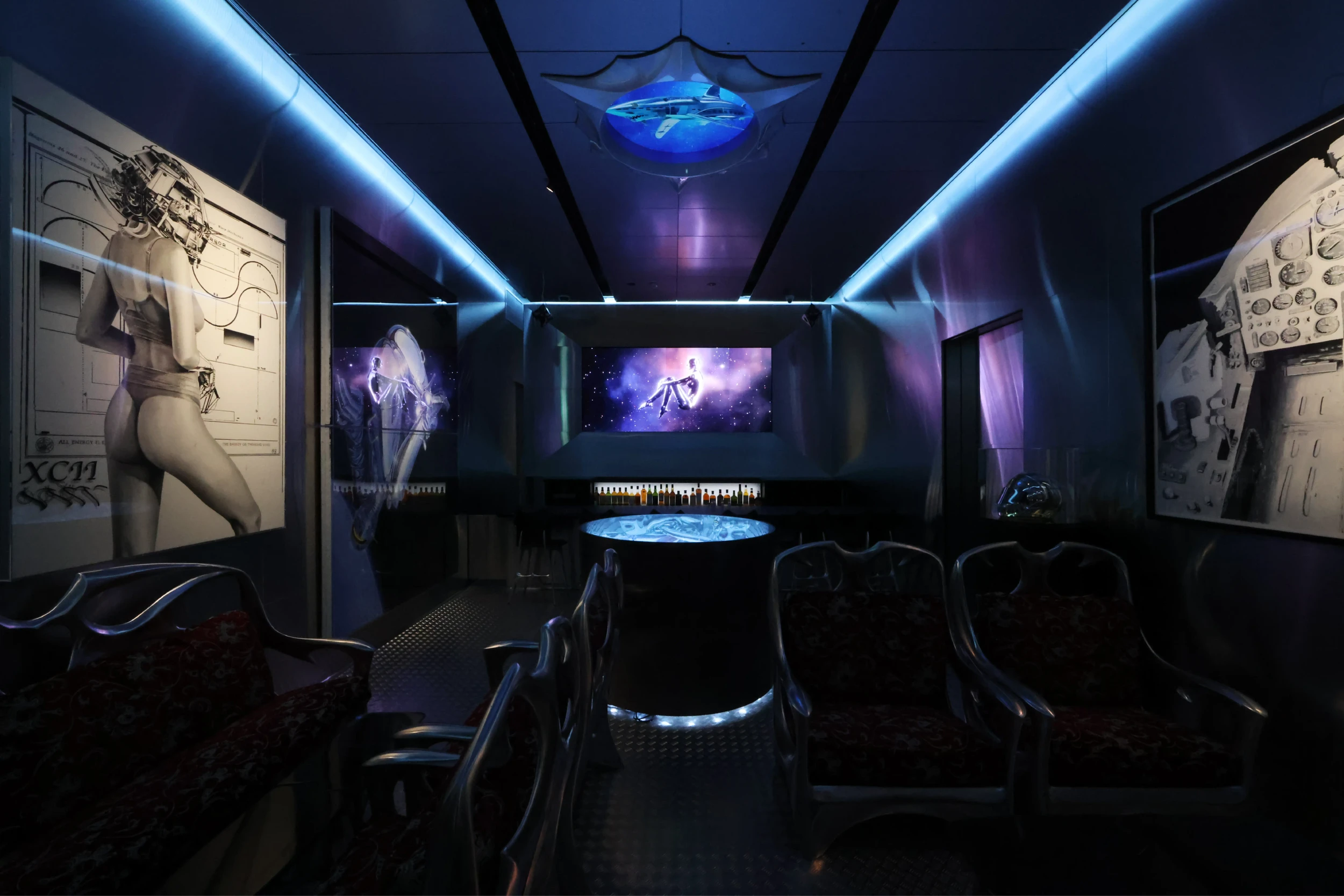
・Enjoy a “deep” music experience at one of the largest nightlife spots in Japan
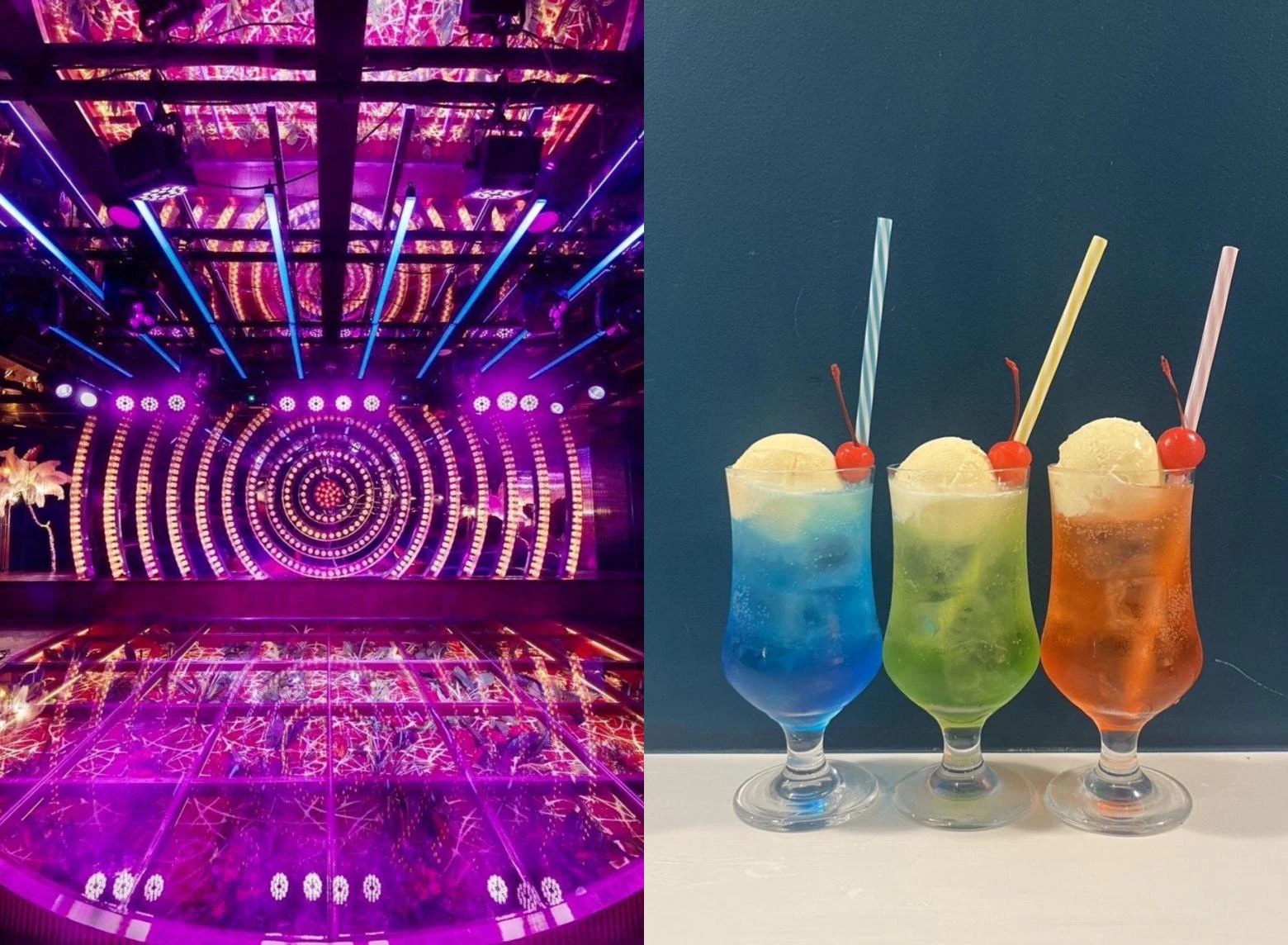
・Travel back in time to retro Japan at “27 Kissa”, a café opened in a former cabaret site
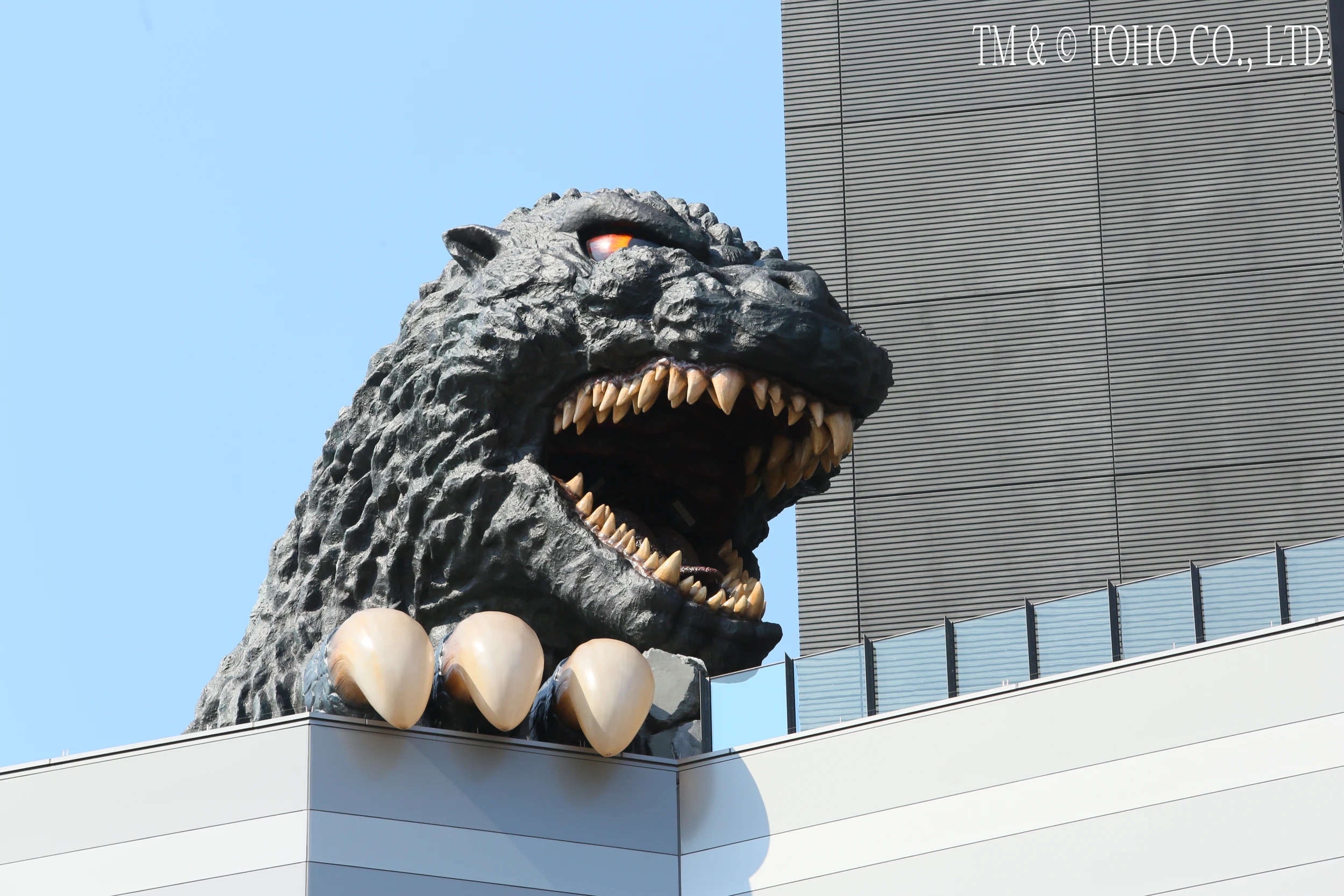
・Hotel Gracery Shinjuku—a hotel where you can see a realistic Godzilla
[Yokohama Station] The birthplace of Japan’s early modernization Although Japan had had limited relations with foreign countries due to the national seclusion policy during the Edo period, culture and technologies from overseas countries came in through Yokohama as soon as the Yokohama Port opened up in 1859. Yokohama is said to be where Japan’s early modernization truly began. It played a key role in introducing Western architecture, fashion, and cuisine, such as chocolate, ice cream, and beer, to the rest of Japan. A retro, exotic cityscape, historic Western-style buildings, and an open, seaside view—Yokohama, one of Japan’s largest port cities, continues to fascinate with the fusion of the remnants of modernization and the new Japan.
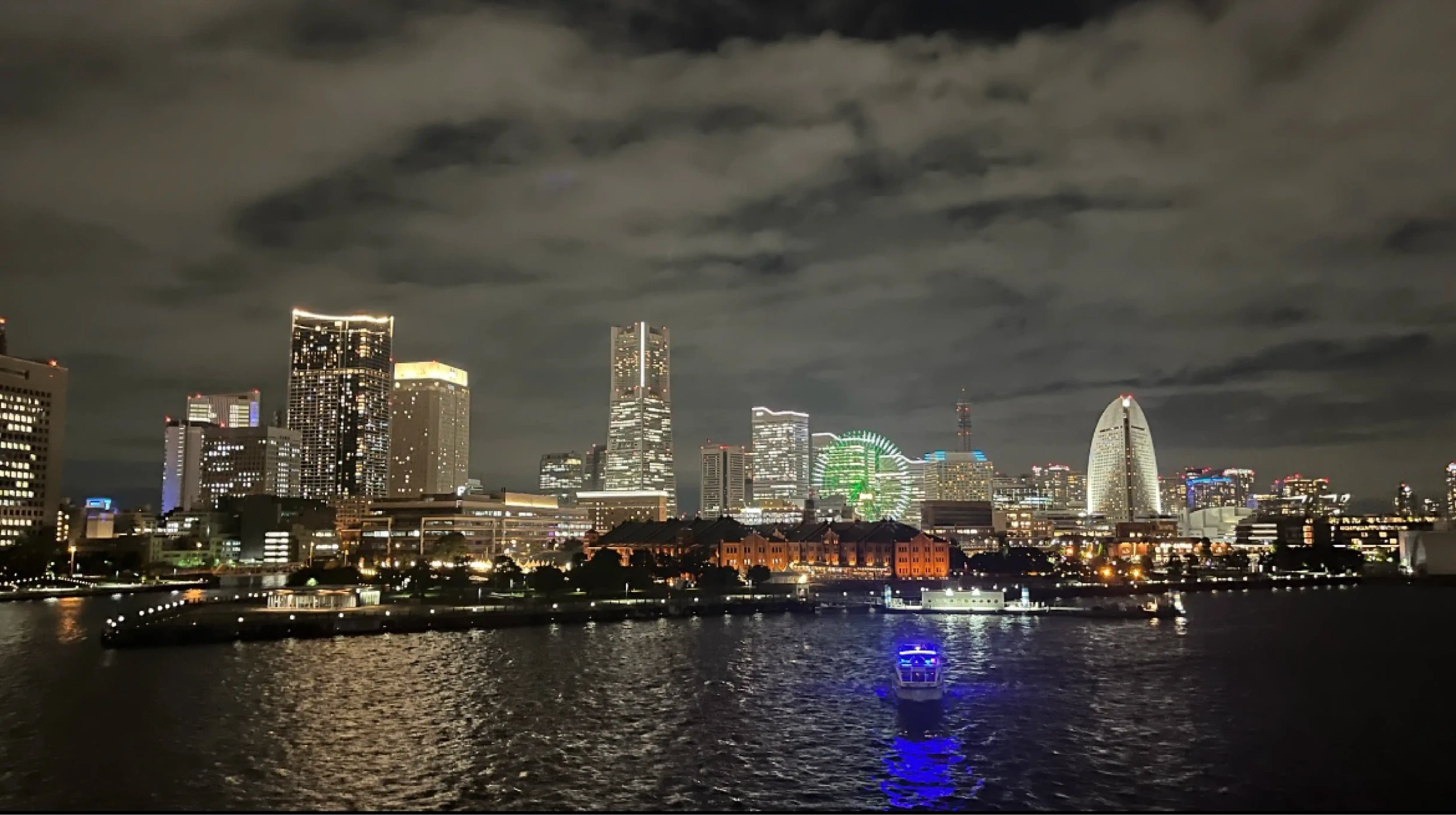
●Minatomirai An urban landscape with a near-future aesthetic meets old port city charm. This area has many high-rise buildings and a symbolic, giant Ferris wheel, as well as a wide variety of shops and restaurants.
●Yamashita Park and its surrounding area Yamashita Park is a seaside park where you can feel the history of foreign ships arriving in Japan. At the park and nearby Red Brick Warehouse, not only can you enjoy a pleasant stroll and a variety of events while taking in the stunning oceanfront view, but you can also appreciate beautiful historic architecture and modern art. You can also find many places that convey the vitality of Japan’s early modernization, such as the Yokohama Archives of History and historic buildings. Moreover, you can take Yokohama and Tokyo Bay cruises from Osanbashi Pier, and many people fall in love with the beautiful night view of the Yokohama Bay Bridge.
●Yokohama Chinatown It is one of the largest Chinatowns in Japan, where you can enjoy a food tour and sightseeing in a lively town with a variety of Chinese restaurants and souvenir shops.
Narita Express is a fast and convenient way to access these locations from Narita Airport.
We hope that the travel times from Narita Airport and the information about the things to see around the train stations introduced in this article will be helpful in making your trip even better!
(Information as of September 2025)